May 7, 2026
Home restoration after water or fire damage can be an overwhelming process, touching on both emotional and financial aspects. Damage from these events can leave homeowners feeling lost, but with systematic steps, recovery is achievable. This article details the crucial phases in restoring a home, ensuring that it returns to its original glory, or perhaps even better.
1. Assessing the Extent of Damage
1.1 Initial Safety Precautions
When approaching a damaged home, safety is of utmost importance. Before any assessments are made, ensure that your property poses no immediate hazards such as structural weaknesses or electrical shocks. It’s advisable to avoid entering the premises before the home has been cleared by professional inspectors, especially in the case of fires, where unseen structural damage is common. Ensure protective gear, like masks and gloves, is utilized to prevent inhaling harmful particles, particularly in fire-damaged areas. Overall, taking these precautions can prevent further injuries or accidents.
1.2 Identifying Water vs. Fire Damage
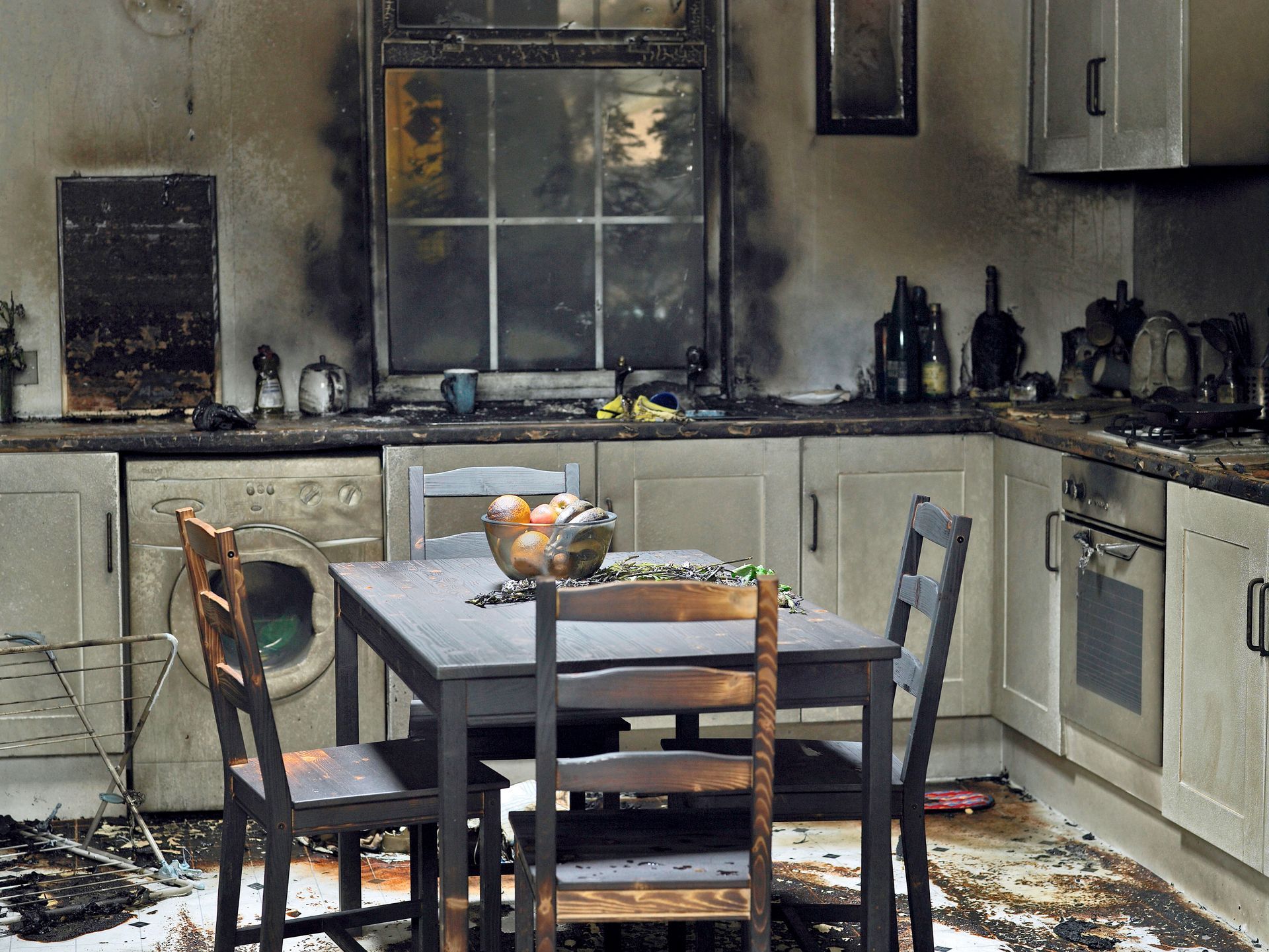
Water and fire damage manifest differently, requiring specific identification for appropriate home restoration methods. Water damage may lead to swelling, mold, and rot, impacting both structural integrity and air quality. Fire damage often results in burnt materials, smoke stains, and potential chemical contamination. Identifying the primary type of damage helps in sourcing the right professionals and remedies early on. Addressing visible and hidden impacts ensures comprehensive restoration efforts.
1.3 Documenting Damage for Insurance Purposes
Documenting the damage efficiently is crucial for a smooth insurance claim process. Detailed records, including photographs and written descriptions of all areas, will support your coverage claims. Make sure to note both major and minor damages, as they all contribute to the overall harm experienced. Correct documentation simplifies interactions with insurance adjusters, expediting claim approval. Proper records become indispensable evidence when processing the need for financial reparations.
2. Mitigation and Prevention of Further Damage
2.1 Water Extraction Techniques
For properties experiencing water damage, immediate action is required to extract standing water. Utilizing powerful pumps and vacuums efficiently removes water, reducing further saturation and mold development. The quicker you remove water, the lower the risk of long-term detrimental impacts on floorings and walls. After extraction, drying processes prevent residual dampness from fostering mildew growth. Rapid and effective water extraction lays the groundwork for returning your space to a dry and safe condition.
2.2 Securing the Property Against Further Damage
Once immediate threats are neutralized, securing the property against further damage is paramount. Protecting the home from weather elements with temporary coverings over damaged areas conserves the structural integrity. Promptly boarding up windows and doors deters vandalism and unauthorized access. By securing the surroundings, homeowners can proceed confidently with home restoration plans without setbacks. Prioritizing property security mitigates the risk of compounding damages.
2.3 Removing Soot and Smoke from Surfaces
For homes enduring fire damage, the removal of soot and smoke is integral. These residues not only stain surfaces but are also hazardous to health. Employing specialized cleaning agents intended for smoke damage ensures surfaces are restored and sanitized. Cleaning must extend to hidden areas like vents and ducts to ensure thoroughness. Addressing smoke and soot early prevents permanent staining and health hazards.
3. Detailed Cleanup Process
3.1 Removing Debris and Damaged Materials
Clearing out debris and damaged materials is one of the initial steps in reclaiming your home post-damage. This not only creates a safer environment for further work but also prevents the spread of damage through residue and remnants. Prompt removal helps in identifying areas that need deeper inspection and repair. Specialized equipment might be needed for safely handling certain materials, especially in cases involving hazardous substances. This step is critical for starting restoration on a clean slate.
3.2 Cleaning and Sanitizing the Space
Once physical debris is cleared, thorough cleaning and sanitization are necessary to restore hygiene. It involves disinfecting surfaces, vents, and personal items exposed to contaminants during the incident. Investing time in sanitization can mitigate the health risks associated with mold and bacteria that proliferate after water damage. During this process, eco-friendly cleaning solutions can be adopted to reduce chemical exposure risks. Always prioritize safety and the quality of air during cleaning.
3.3 Deodorizing and Air Quality Management
Lingering odors following fire damage, such as smoke, necessitate thorough deodorization for the home restoration to be deemed successful. This process might involve the use of ozone machines or air scrubbers, tailored to remove airborne particles and odors. Ensuring good air quality also includes addressing unseen particles like dust and mold spores that can settle in the HVAC system. Regular vent maintenance and using air purifiers contribute to sustaining improved air quality. Breathe new life into your interiors by investing in cleaner air solutions.
4. Repairing and Restoring Structural Elements
4.1 Evaluating Structural Integrity
A professional assessment of structural integrity provides a clear map of required repairs. Key areas such as beams, columns, and foundational supports are checked for residual damage. Ensuring foundational elements are strong is crucial for future safety and stability. This evaluation helps align priorities regarding repair engagement and estimated costs. Accuracy in these assessments lays the ground for secure rebuilding efforts.
4.2 Repairing Walls and Ceilings
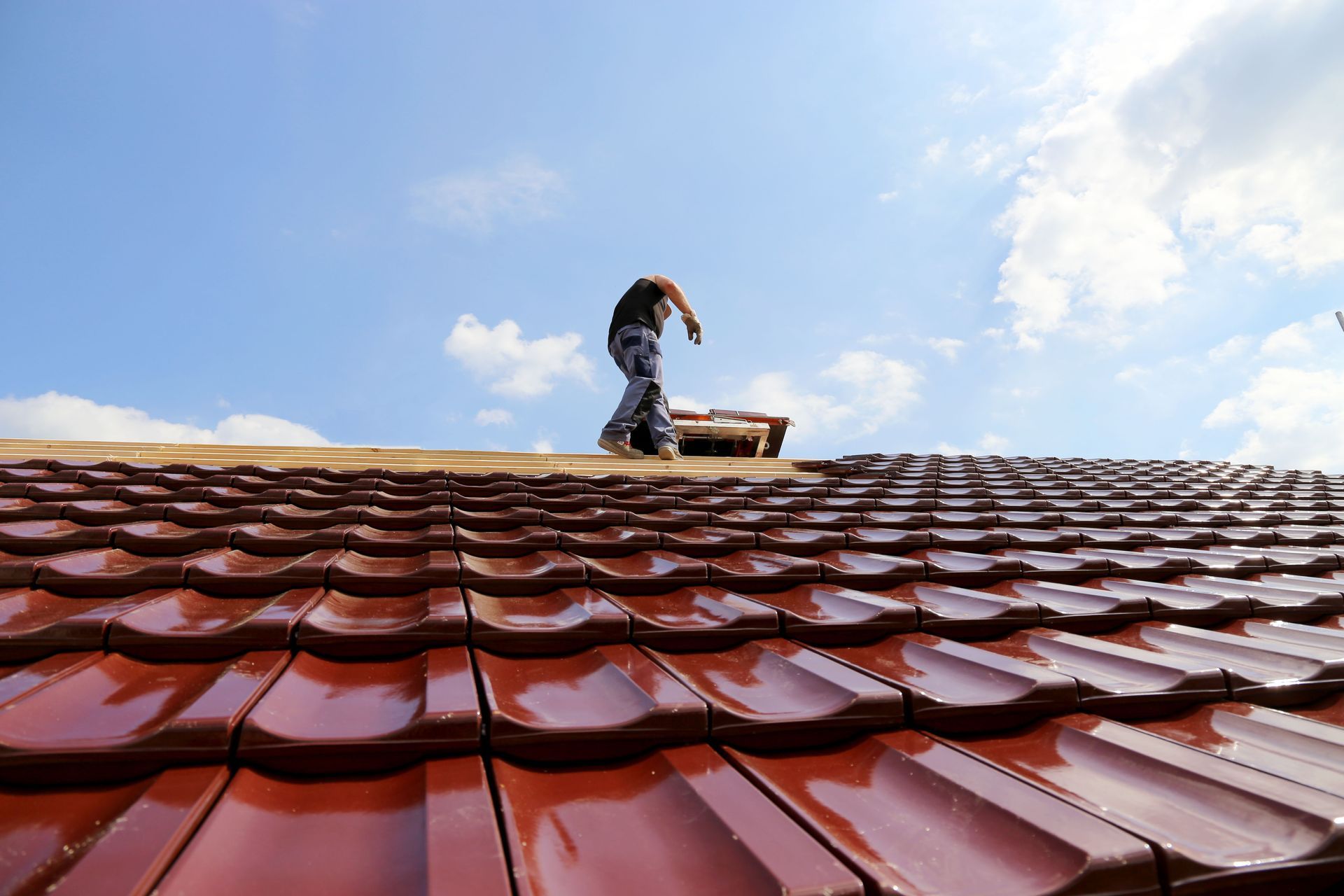
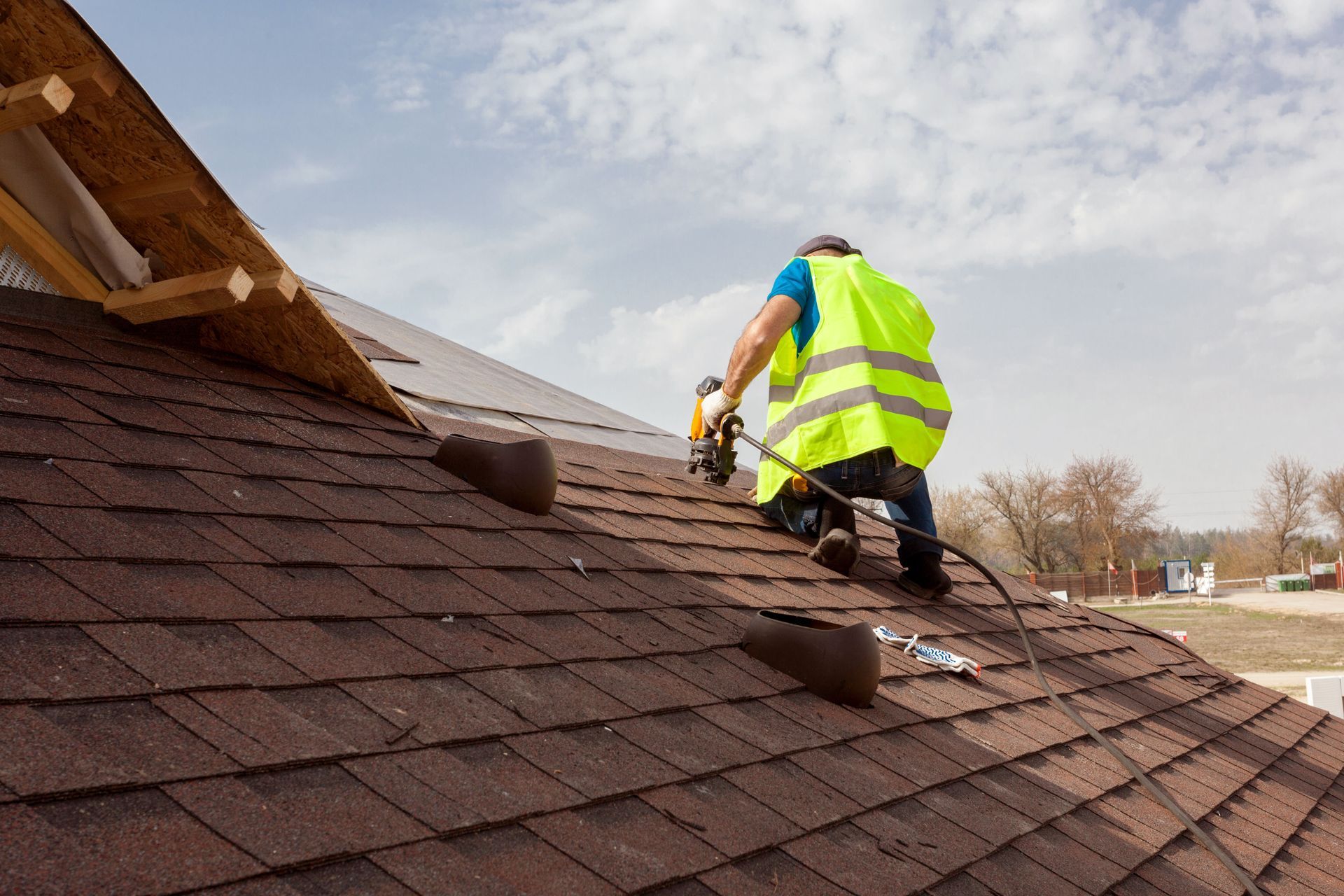
Walls and ceilings often suffer considerable damage in both fire and water incidents, requiring targeted repair strategies. Damaged drywall needs to be removed and replaced, followed by appropriate insulation installation. Sealing surfaces to prevent future water ingress or smoke permeation can provide enhanced protection. By utilizing water-resistant materials during repairs, you can bolster your property against similar future occurrences. A detailed restoration here ensures integral function and security in your living spaces.
4.3 Restoring Flooring
Floor restoration completes the structural renewal, focusing on durability and aesthetics. Whether it’s wood, tile, or carpet, water and staining may have caused irreversible damage that needs complete replacement. The use of resilient, waterproof materials ensures longevity. Choosing sustainable options like cork or bamboo flooring contributes positively to both the environment and long-term home value. Completion of flooring restoration marks a significant milestone in achieving a completely renewed environment.
5. Redecorating and Personalizing the Interior
5.1 Choosing New Color Schemes
A fresh splash of paint signifies new beginnings, allowing homeowners to redesign their living environments according to their dreams. New color schemes can reflect modern trends or personal tastes, breathing vibrancy into your spaces. This is an invitation to experiment, perhaps choosing different themes for each room to evoke varied moods. Relying on color psychology, certain hues can foster calming or energizing environments as desired. Revamping color schemes efficiently elevates the aesthetics of a rebuilt home.
5.2 Selecting Furniture and Fixtures
Choosing new fixtures and furnishings is a practical yet exciting part of personalizing your home post-restoration. Consider multifunctional furniture that is both space-saving and stylish, catering to the modern lifestyle's flexibility. Prioritize fixtures that enhance energy efficiency, saving both resources and finances over time. Incorporating innovative technologies can also introduce automation, elevating the home's sophistication and convenience. Ultimately, this selection adds character and functionality to your renewed living environment.
5.3 Incorporating Energy-Efficient Features
Modern home restoration provides an excellent opportunity to integrate energy-efficient features within your home. These additions not only contribute to a reduced ecological footprint but also offer long-term financial savings on utility bills. Solar panels, energy-efficient lighting, and enhanced insulation are popular choices to increase sustainability. According to The Zebra, an average of 358,500 homes experience structural fires annually, making fire-resistant and efficient solutions imperative to a resilient infrastructure. This step aligns restoration with future resilience and environmental responsibility.
This comprehensive guide underscores the pivotal steps involved in home restoration post-damage. A timely and structured approach, combined with expert insights, transforms this daunting process into a journey towards a revitalized and resilient abode. Supporting homeowners emotionally and strategically ensures a path towards an environment that feels fresh and resilient, with enriched qualities contributing to future protection and gratification.
Don't let damage define your home’s future. Contact Welter Construction today for expert home restoration services.