November 6, 2026
Bathroom upgrades allow homeowners to improve comfort, functionality, and the appearance of their living spaces. From replacing outdated fixtures to changing layouts, bathroom remodeling can address evolving household needs. In Minnesota, a well-planned bathroom can make everyday routines more comfortable throughout seasonal temperature changes.
According to NAHB, bathroom renovations ranked as the most frequently reported remodeling project in 2025, earning an average score of 4.1, with 73% of remodelers rating the project as common or very common.
Understanding the Reasons Behind Bathroom Renovations
A bathroom serves several purposes throughout the day, so its layout and features can have a noticeable effect on household routines. When storage is limited, fixtures are outdated, or the room no longer accommodates a household's needs, improvements may become a practical priority. Homeowners may also want to update the appearance of a space that has not changed in many years.
Changing household needs are one reason renovation interest continues. A bathroom designed for a smaller household may not provide enough storage or usable space for a growing family. In other homes, aging fixtures, worn surfaces, or an inefficient arrangement can make daily routines less convenient. Updating these features can help create a space that better reflects how residents use their homes today.
Appearance also plays a role. Finishes, lighting, tile, and fixtures influence the overall feel of a bathroom. Replacing dated design elements can make the room feel more coordinated with the rest of the home. Rather than following every passing trend, homeowners can focus on choices that suit their preferences and are likely to remain appealing over time.
Improving Everyday Functionality
One of the main goals of bathroom remodeling is making the room easier to use. A visually appealing design is valuable, but the space also needs to support daily activities. Layout, storage, lighting, and fixture placement all contribute to how well a bathroom functions.
A poorly arranged room may have limited counter space, awkward traffic flow, or fixtures that make the area feel crowded. A renovation provides an opportunity to consider whether the existing arrangement still makes sense. Depending on the home's structure and project scope, changes to the layout may create more usable space or improve access to important features.
Storage is another common consideration. Cabinets, vanities, shelving, and built-in storage options can help keep everyday items organized. The right approach depends on the available space and the household's needs. A compact bathroom may benefit from storage that makes use of vertical space, while a larger room may accommodate additional cabinetry.
Lighting can also influence functionality. A combination of general lighting and focused illumination around mirrors can make everyday tasks more convenient. Fixture selection, ventilation, and durable surfaces are additional considerations when planning a room that needs to perform reliably over time.
Updating Fixtures and Finishes
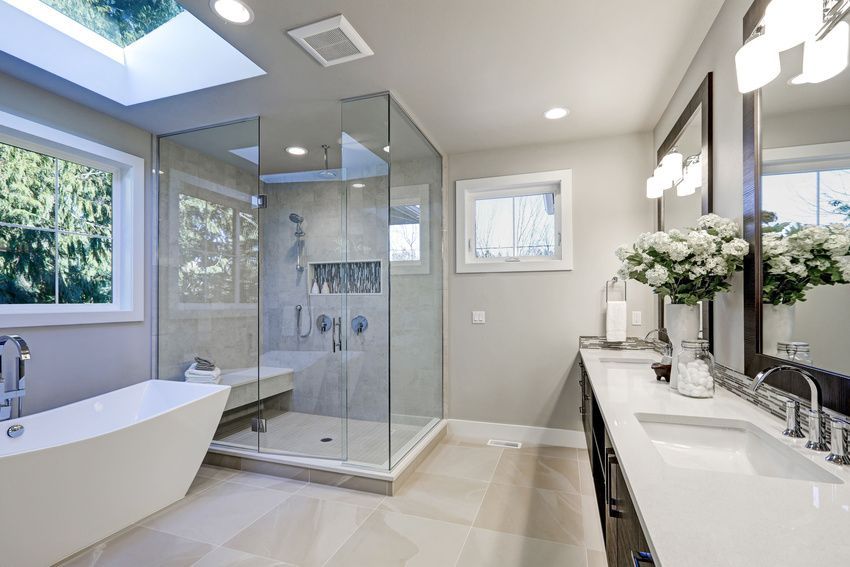
Fixtures and finishes have a significant influence on a bathroom's appearance and usability. Older sinks, faucets, toilets, showers, and tubs may show visible wear or no longer fit the homeowner's preferences. Replacing selected features can refresh the room without necessarily requiring a complete redesign.
Minnesota homeowners should consider seasonal conditions when planning bathroom remodeling projects. Cold winters make comfort, ventilation, and material selection especially important. Bathrooms also experience regular moisture from showers and baths, making proper ventilation essential for managing humidity. Flooring choices and features that reduce drafts can further improve comfort, helping create a functional space suited to Minnesota’s changing temperatures throughout the year.
Durability matters as much as appearance. Bathrooms are exposed to regular moisture, temperature changes, and frequent cleaning. Materials should be appropriate for these conditions, and installation quality is important for long-term performance. Professional planning can help homeowners evaluate options based on the room's requirements rather than appearance alone.
Making Better Use of Available Space
Limited square footage can make bathroom design challenging, particularly in older Minnesota homes. A small room may feel cramped when fixtures, doors, and storage compete for the same space. A thoughtful renovation can help improve the arrangement and make the room feel more open.
The placement and size of a vanity, shower, or bathtub can affect how easily people move through the room. Door swings, clear pathways, and access to storage should be considered as part of the overall layout. Even when the room's footprint remains unchanged, adjustments to the arrangement and selection of fixtures may improve its usability.
Visual choices can influence how spacious a bathroom feels as well. Consistent finishes, appropriate lighting, and well-proportioned fixtures can help prevent a small room from feeling crowded. Glass shower enclosures, reflective surfaces, and lighter color palettes may also contribute to a more open appearance when they suit the design.
Not every home can accommodate major structural changes, and project possibilities depend on existing conditions. A professional evaluation can help determine which improvements are practical and how they may affect the rest of the home.
Planning for Minnesota Homes and Seasonal Conditions
Minnesota homeowners have additional considerations when planning interior improvements. Cold winters and seasonal temperature shifts make it important to think about how a bathroom functions throughout the year. Comfort, ventilation, moisture management, and material selection can all influence the room's long-term condition. These factors are important when planning bathroom remodeling projects.
Bathrooms generate moisture through showers, baths, and everyday use. Proper ventilation helps manage indoor humidity and supports a healthier indoor environment. During renovation planning, homeowners can consider whether existing ventilation is suitable for the room and whether updates are appropriate for the project.
Temperature is another consideration. A bathroom with cold flooring or noticeable drafts may feel less comfortable during Minnesota winters. Depending on the home's design and renovation scope, homeowners may explore flooring materials and other features that better suit their comfort preferences.
Seasonal planning can also affect project scheduling. Some homeowners prefer to address interior improvements during colder months, when outdoor projects are less practical. Others may plan renovations around family schedules, travel, or other home updates. Starting conversations early can provide more time to establish the project scope, review material choices, and coordinate the work.
Setting Priorities and Establishing a Project Scope
Before beginning bathroom remodeling, homeowners benefit from identifying what they want the finished space to accomplish. A clear set of priorities helps guide design decisions and keeps attention on the improvements that matter most.
For some households, the primary concern may be replacing worn fixtures or improving storage. Others may want to change the layout, update the shower, or create a more cohesive appearance. Distinguishing essential improvements from optional design preferences can help homeowners evaluate different project approaches.
The existing condition of the room also affects planning. Plumbing locations, electrical systems, ventilation, flooring, and surrounding structures may influence what can be changed. Older homes may require additional attention to existing materials or building conditions before work begins. These details are important when establishing a realistic scope.
Budget planning should account for more than visible finishes. Labor, materials, fixture selections, and any necessary updates to underlying systems can affect the overall project. Discussing these considerations with a qualified contractor helps homeowners understand the work involved and make informed decisions before construction begins.
Choosing a Contractor for the Project
A successful renovation requires careful planning and an experienced contractor. Homeowners should review the project scope, materials, and schedule before work begins. For bathroom remodeling, professional guidance can help assess existing conditions, evaluate design options, and identify potential plumbing or electrical updates beyond cosmetic improvements.
Clear communication, accessibility, durable materials, and changing household needs all influence a successful renovation. Thoughtful bathroom remodeling helps homeowners improve comfort, simplify daily routines, and create a space that remains functional over time. Professional planning also helps address project questions, evaluate practical design choices, and select finishes suited to regular use and maintenance.
For Minnesota homeowners considering an upcoming renovation, Welter Construction can help bring residential improvement plans into focus.
Contact the team to discuss your project and explore the possibilities for updating your home.